
Written by: Alex Chen · Expert in Technology, Personal Finance, Travel
Published: January 25, 2026
We strive to provide well-researched, factual content. If you notice any errors, please contact us.
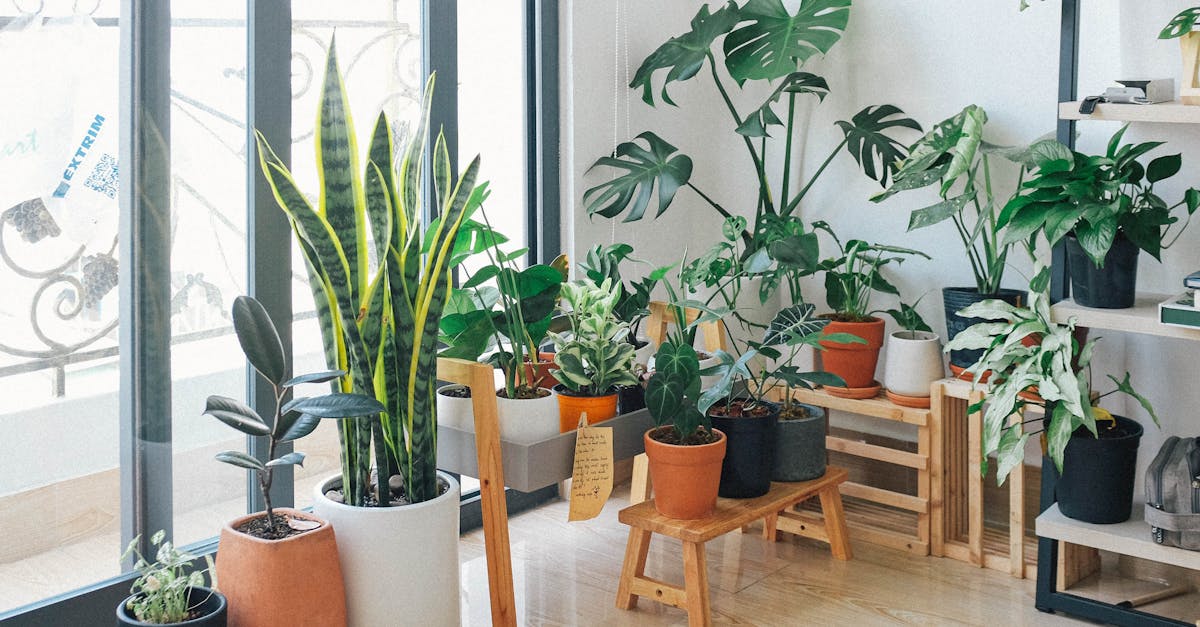
Most of us know the experience of arriving at a shared office or a remote meeting to find the same old frustrations: someone who dominates conversation, another who misses deadlines, the colleague who sends a barrage of emails at 2 a.m. Now imagine an alternative. Picture a desk neighbor who never gossips, who provides steady companionship without need for constant validation, who improves the room's air and asks for very little in return. That alternative is already common in workspaces across the world: potted plants.
This article explores, with a serious but casual tone, how houseplants outperform human coworkers in key respects that matter to everyday productivity, wellbeing, and team dynamics. The goal is not to trivialize human relationships or workplace challenges, but to make a clear, practical case for bringing more greenery into work environments and appreciating the simple advantages plants deliver.
Human teams are wonderfully complex, and that complexity brings variability. Emotional states shift, priorities change, and interpersonal friction is inevitable. Plants, in contrast, offer steady, predictable presence. A plant placed in a workspace provides a constant visual anchor. It does not react unpredictably, it does not need reassurance, and it does not trigger office politics.
That steady presence matters. In open-plan offices or shared remote setups, a calm focal point helps regulate attention. Studies in environmental psychology show that natural elements reduce stress and help restore attention after cognitive fatigue. In plain terms, looking at a healthy leaf for a few moments is less likely to escalate into drama than glancing at someone who is visibly upset.
Humans bring judgement, conscious or not, into interactions. Even the kindest coworker can unintentionally communicate critique or impatience. Plants have no opinions about your work habits. They accept late nights, weird desk arrangements, burnt coffee, and the occasional missed watering with quiet indifference.
This nonjudgmental companionship makes plants excellent companions during focused work. They can be a small, comforting presence during a long stretch of concentration or when tackling a difficult task. For people who feel isolated or anxious at work, a living thing that responds only to basic care can provide emotional regulation without the social cost of human interaction.
Plants do more than look pleasant. They interact with indoor environments in measurable ways. Many common houseplants help regulate humidity, absorb volatile organic compounds, and contribute to modest improvements in indoor air quality. Those changes are rarely dramatic on their own, but multiplied across an office they can reduce headaches, irritation, and the general malaise associated with poorly ventilated spaces.
Beyond air, plants also affect acoustics and microclimate. A row of potted plants can help absorb ambient noise, making it easier to focus on deep work. They can also slightly moderate temperature extremes near windows and exterior walls. These are small, cumulative advantages that create a more comfortable setting for concentrated effort.
A reliable coworker meets expectations consistently. Plants are the epitome of low-maintenance reliability when chosen wisely. A succulent or a snake plant can go long stretches without attention and still look healthy, while a forgiving pothos will thrive under a range of light conditions.
Compare that to common human workplace challenges: missed meetings, delayed responses, or emotional burnout that derails productivity. If your green coworker droops, a brief watering or repositioning usually fixes the problem. Their needs are simple and transparent. That predictability makes them ideal partners for people who need stability in their surroundings.
Good teams need boundaries. Humans negotiate boundaries all the time, and these negotiations can be uncomfortable. Plants provide boundary signals without conversation. A plant on the edge of a desk subtly communicates a personal zone. A larger plant can create a natural partition in open areas without requiring a formal cubicle or awkward discussion.
These botanical boundaries are both functional and social. They reduce unintentional interruptions and give people a tactile way to shape their workspace. Because the boundary is nonconfrontational, it reduces friction between coworkers while still being effective.
Having plants around is correlated with higher reported satisfaction and creativity at work. They add color and texture to otherwise sterile offices, creating a space that feels more hospitable and human-centered. When people feel comfortable and relaxed, cognitive resources become available for creative problem solving and sustained focus.
Plants also invite small, positive rituals. Tending a plant, even briefly, offers a moment away from the screen. This micro-break is restorative and can lead to better concentration when returning to work. In team settings, shared plant care can foster casual interactions that strengthen relationships without the pressure of formal team-building exercises.
Some common objections to introducing more plants into the workplace are practical, and nearly all of them have manageable solutions.
These are not fatal flaws. With a little planning, the benefits far outweigh the downsides.
Not every plant suits every workspace. Consider these practical criteria when selecting green companions:
By aligning selection with environmental realities and team habits, plants become resilient collaborators rather than fragile decorations.
Plants are not a substitute for good management or strong interpersonal skills, but they can complement both. Consider these small cultural shifts to leverage plant benefits:
The idea is to treat plants as practical tools for creating a healthier, more humane environment, rather than as a gimmick.
It bears repeating that plants are not replacements for meaningful human interaction. They do not mentor, negotiate, solve interpersonal conflict, or provide professional feedback. Human collaboration, emotional intelligence, and strategic thinking remain indispensable.
Where plants excel is in creating conditions that make productive human work more likely. They reduce low-level stressors, introduce calming presence, and offer simple rituals of care that anchor daily routines. Think of them as environmental teammates that support human capacity rather than as substitutes for it.
Houseplants bring a surprising combination of benefits to workspaces: calm and consistent presence, nonjudgmental companionship, modest environmental improvements, and low-maintenance reliability. They help define personal boundaries without conflict and foster small restorative rituals that support focus and creativity. While they cannot replace the complexity of human relationships, they can make those relationships function more smoothly by improving the context in which work happens.
If your office feels tense, sterile, or brittle, consider introducing a few well-chosen plants. Start small, select species suited to your space, and let the quiet advantages of greenery transform the daily rhythm of work. The result is often less drama, more focus, and a workplace that simply feels better to be in.
Written by: Alex Chen · Expert in Technology, Personal Finance, Travel
Published: January 25, 2026
We strive to provide well-researched, factual content. If you notice any errors, please contact us.